
Translator
From an esteem problem to a team project

I've been struggling to convey why it's exciting if my pastoralist friends in Dzoge could collaborate with physics researchers in Atlanta.
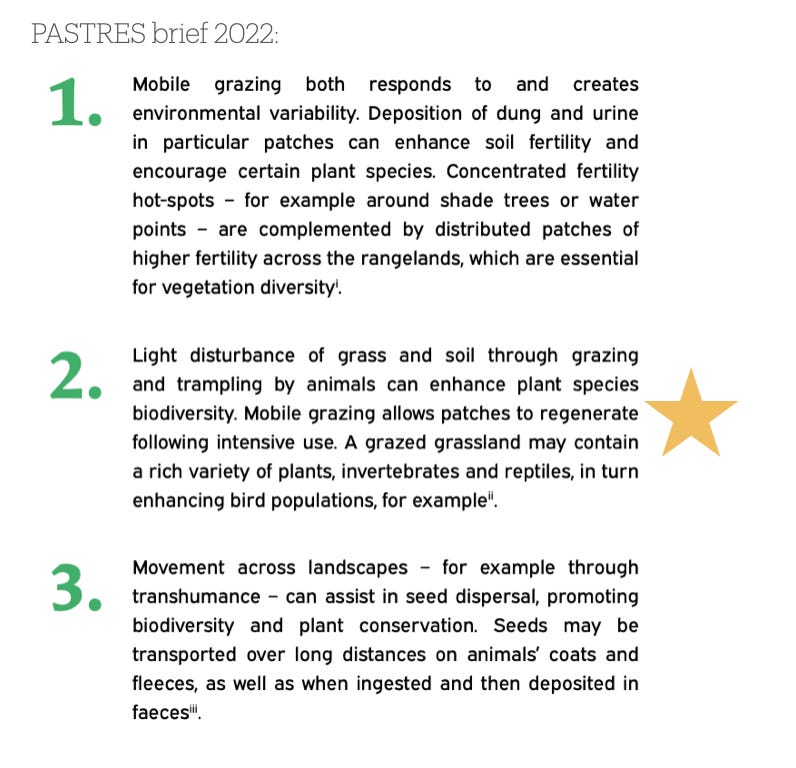
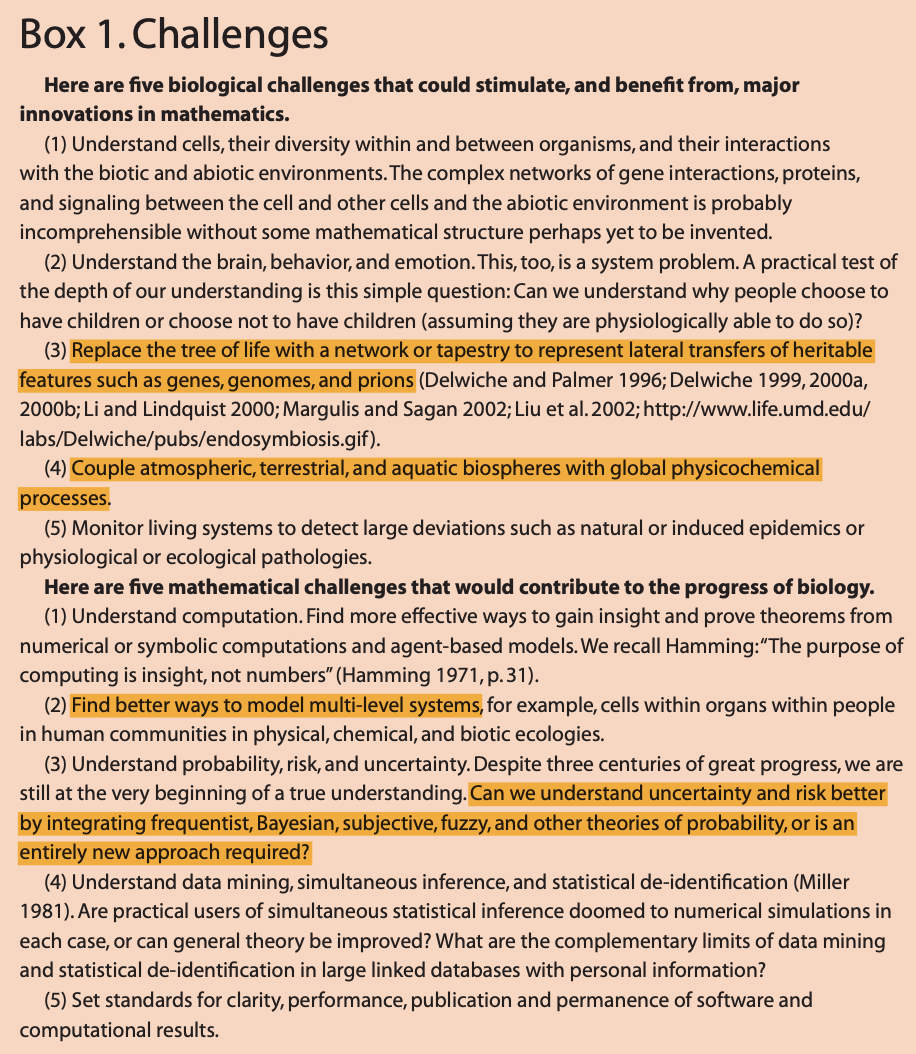
In the quantitative modeling class, we read opinion pieces about why math, physics, and biology should work together. Some felt dated; the 1997 Brenner piece arguing that biologists need more theory feels obvious now. But others had helpful examples, like Goldstein's 2018 walk-through of how a biologist might rediscover physics equations (diffusion) through biological phenomena (algae spreading), or Cohen's 20041 lists of biological problems inspiring mathematical frameworks. The similar argument that I want to make is how pastoralist knowledge could inform the physics of living systems. And more broadly, that academia and communities can benefit from working together.
Chats with allies
Over the first week of starting the program I talked to people at different stages of their projects. They share my interests in animal behavior, mechanics, ecology, sensors. I asked about their projects and for advice on my idea drafts.
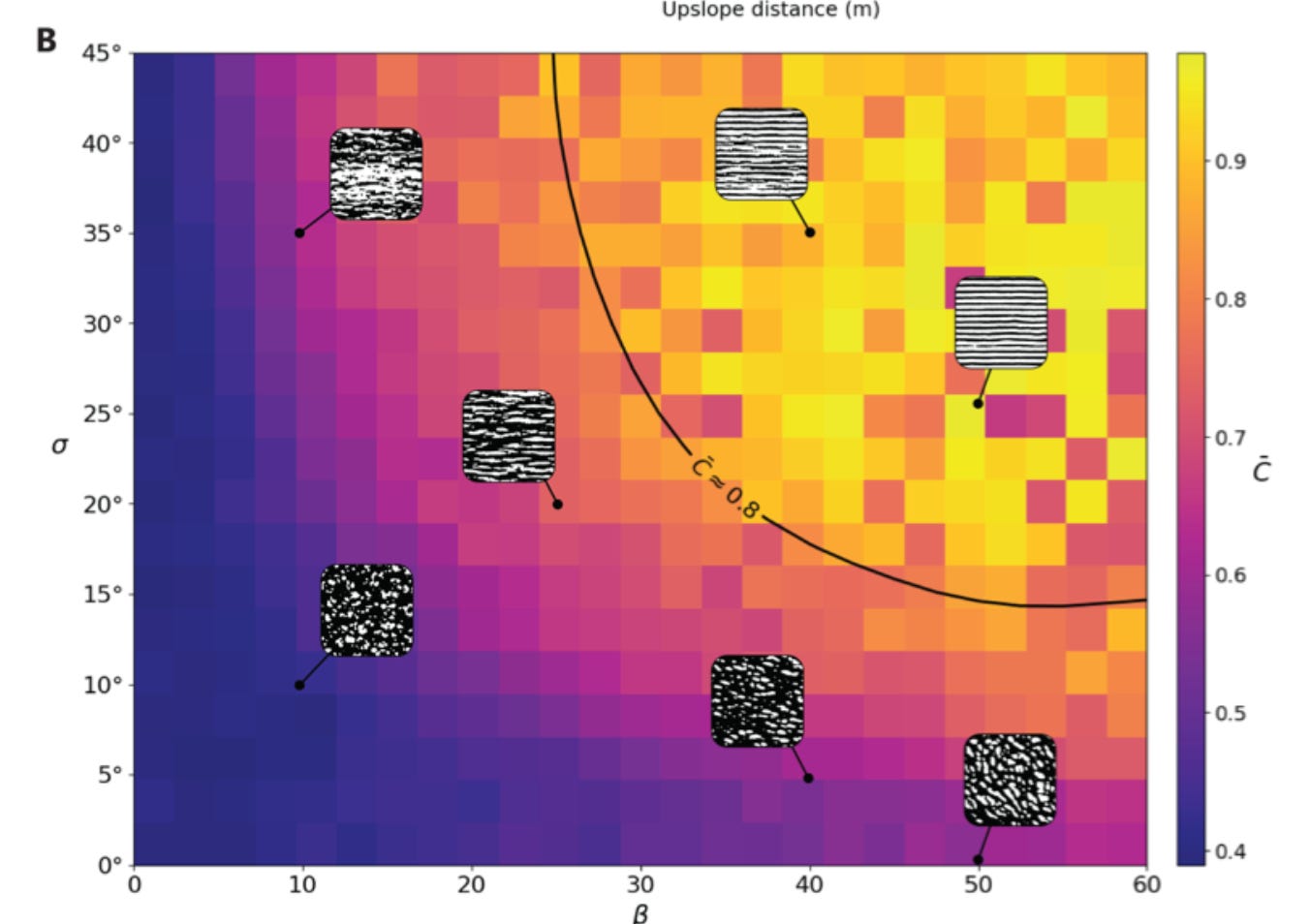
B understands me the most. Like me, he doesn't see animals as materials or fluids. He genuinely sees cows and dogs as individuals. He's spent his PhD modeling whether active cattle could create the terraced hillsides we see in mountains (yes, but the model needs more experimental data), and collecting data on sled dogs pulling loads across snow. B told me that to convince people in this field, lead with physics and mechanism, not ecology or social impact. The key is showing how a specific biological behavior represents a more general physical mechanism. For example, mudskippers jump on water by making water splashes that have symmetric forces going both up and down. This spashing process exists across many systems and humans could potentially use it.
T works on how sheepdogs herd and split sheep flocks. He was trained in electrical engineering, a common background for people who want to apply control theory to living things. What excited me most was that T knows how to translate qualitative herder knowledge into quantitative models. He’d watched hours of sheepdog racing competitions and absorbed the commentary. When shepherds say "these sheep look light, so they'll probably follow other sheep," he turns that into a model parameter. This is exactly what I need to do with the knowledge I learned from pastoralists in Dzoge.
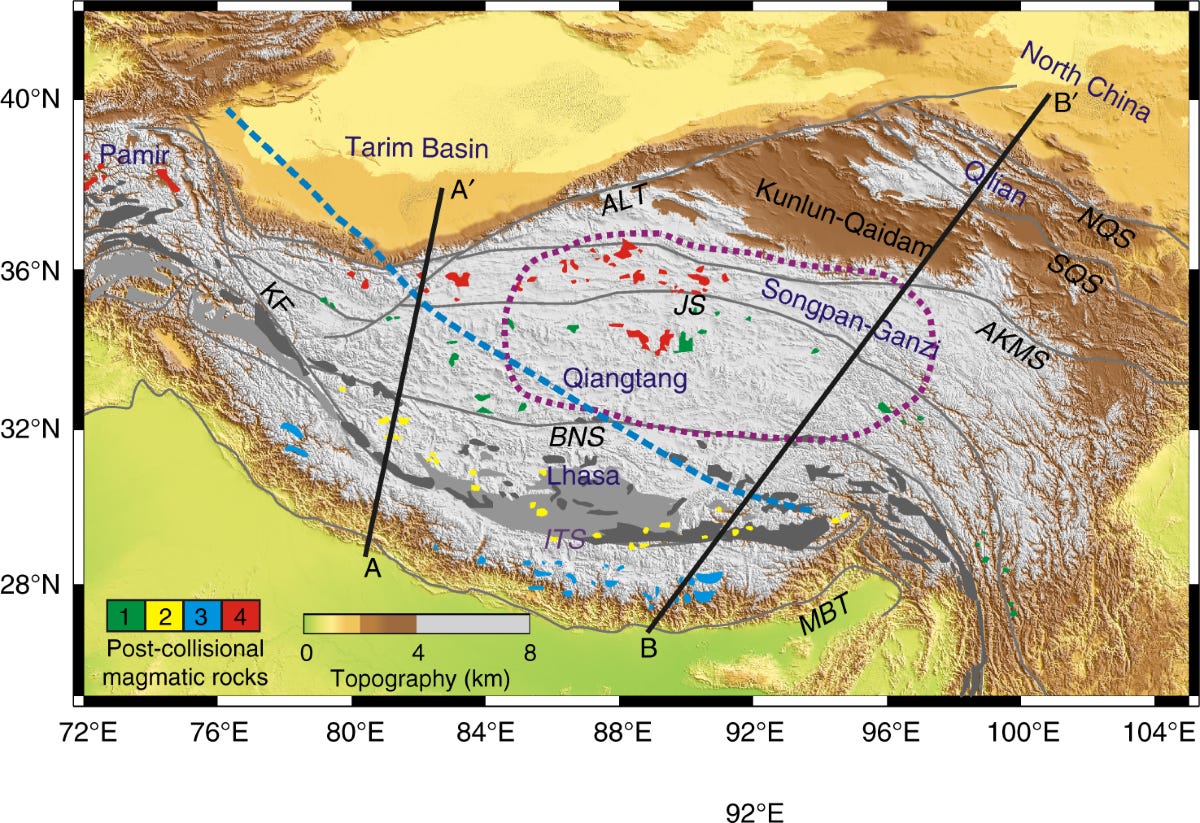
S studies bird biogeography on the other side of the Himalayas from where I worked. He understands why I wanted to get a more holistic view of the ecological and social processes behind a particular animal behavior. He got me started with the key ecological context: the Tibetan Plateau's moisture comes from Western Disturbances (winter storms from the west), snow and glacier melt, and rain-shadow effects. He's found that moderate grazing boosts bird diversity while overgrazing reduces it, which directly relates to my trampling questions.
Project taking shape
Through these conversations, my research direction has crystallized around how yaks affect grasslands. The hypothesis is that there's a "useful trampling" range where hoof-scale trampling and tongue-scale grazing increase seedling establishment and reduce soil crusting on the landscape scale, but too much becomes harmful. Concretely, this means I could use a bench-top hoof rig in the lab this semester to test different forces on soil analogs, then return to Dzoge in spring/summer with GPS collars and drone surveys to validate the mechanisms in real herds.
Mechanics of how yaks are farmers
I wonder what is the exact effect of the way yak hoofs walk on the soil and plants beneath the hoofs. I think it would look like some relationship between the yak weight and impact force and the inverse of the soil shear strength (resistance of a block of dirt to move when there is an applied force). I also suspsect there is a optimal seed burial depth that depends on the seed diameter and weight.
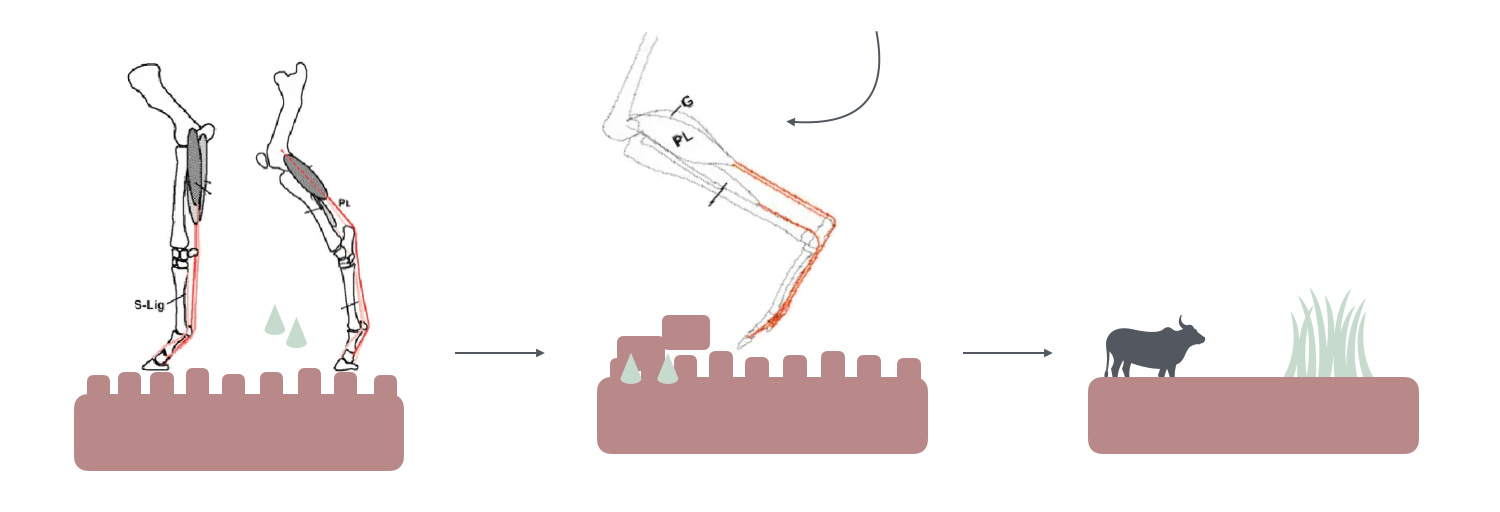
Based on S and Tachung Tsang observations, the reason why intermediate trampling intensities is best for seed burial could be reasoned by the optimal seed burial depth and soil compaction amount. There also needs to be a threshold beyond which excessive compaction kills germination or fragments the soil too much that the water and nutrient processes don’t work well (I’m not sure what the consensus here is).
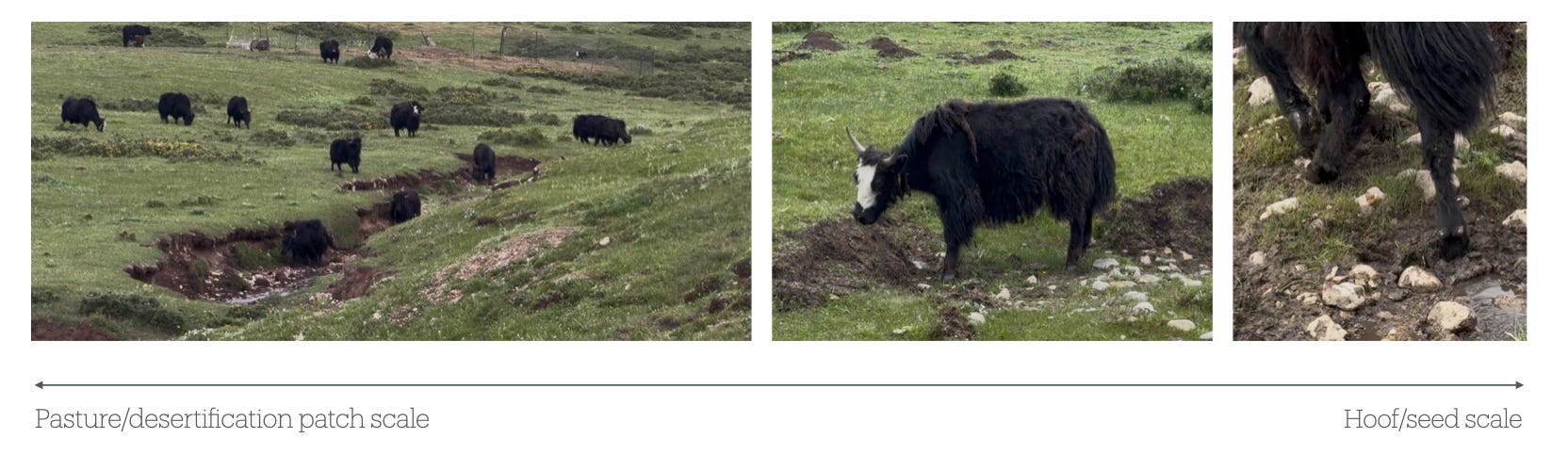
Some say that trampling is good for breaking the soil crust and letting more things in and out. Crust fragmentation probably also has a maximum threshold before it either becomes neutral or negative. Maybe the water retention in those little pits could be higher than surrounding areas because there’s more absorption surface and less evaporation surface.
See also:

The many communities within sheepherding
I am thinking about the evening communal pasture sheep splitting in Dzoge.
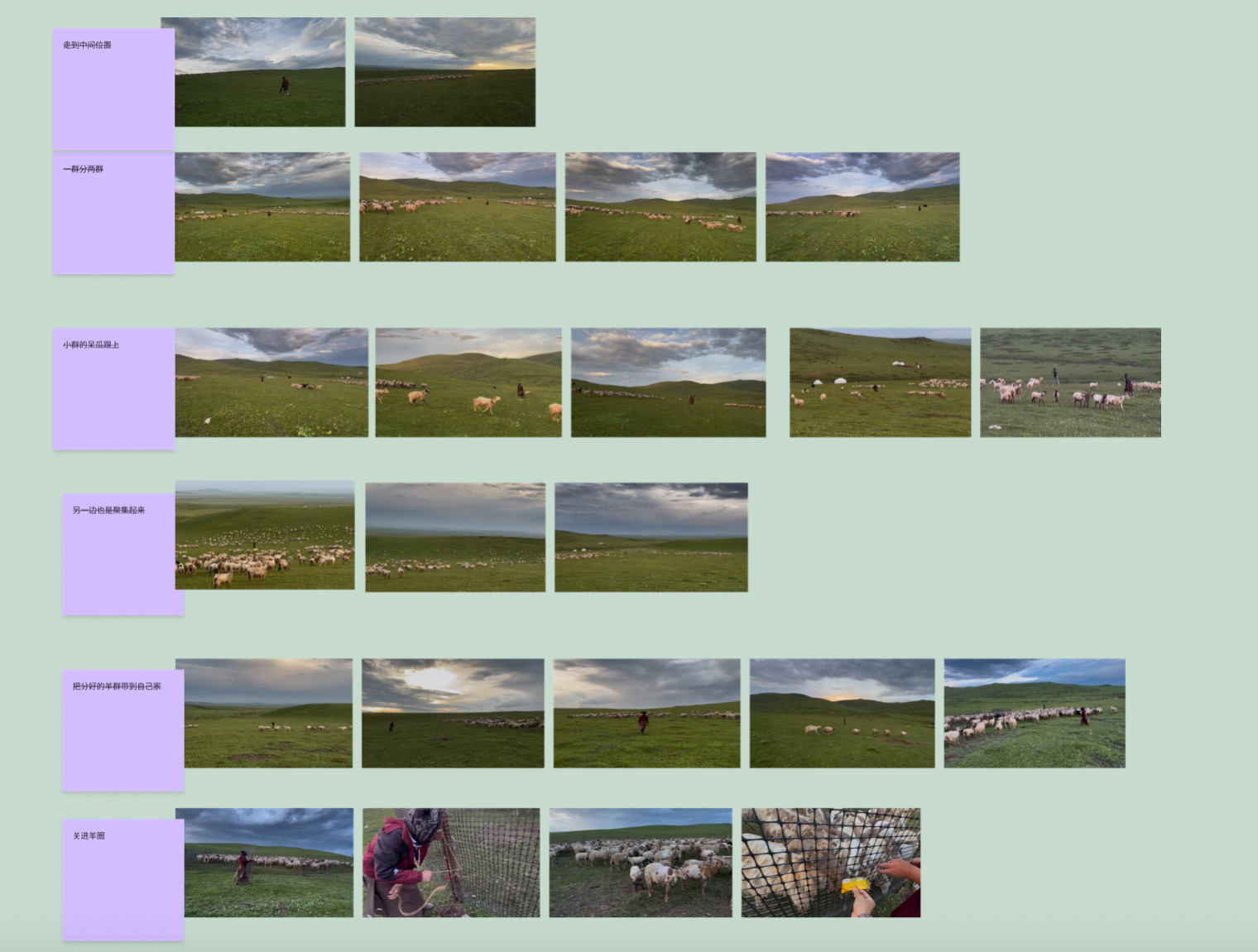
There's fascinating physics around decision uncertainty in group movements2. Below some threshold group size, more individuals actually create more noise and disorder, but above that threshold, averaging effects induce more coordinated movement. Recently there are finally higher resolution experiments in fish schools and sheep flocks to check the role of noise. For grazing systems, maybe the uncertainty can explain why moderate herd sizes can optimize both trampling pressure and vegetation recovery patterns.
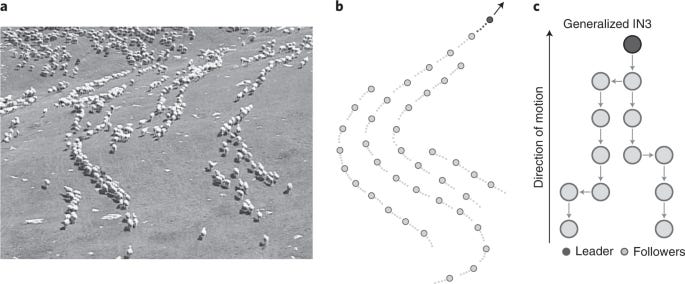
I think it would also depend on not just herd size, but also the herd grazing area and duration, which is determined by presence of fences and also shepherd decisions. I’m not sure how to captures these human decisions yet, but S suggested that I could have semi-quantitative structured surveys and interviews3, even if that’s not what my main mentors do.
See also:

Next
My key realization this week is that I can be genuinely excited by the community collaboration aspect while my lab mates get excited by the physical mechanisms, and we can still work together productively.
In the first days, I felt quite bad about myself, because my interests and skills are not as aligned with the consensus here. But now I think I can start from where I am, contribute my strengths, and learn from what I appreciate in them (that they can sit with problems and address them steadily). The best thing is that we have a lot of time.
I'm feeling more confident about my path forward. There are technical challenges around data protocols and building models. But I have some potential collaborators and places to go and learn. Most importantly, I'm learning that valuing things others don't doesn't make me wrong or out of place. It just means I need to find the overlaps where our different excitements can fuel the same research.
Cohen, J. E. (2004). Mathematics Is Biology’s Next Microscope, Only Better; Biology Is Mathematics’ Next Physics, Only Better. PLoS Biology, 2(12), e439. https://doi.org/10.1371/journal.pbio.0020439
Gómez-Nava, L., Bon, R., & Peruani, F. (2022). Intermittent collective motion in sheep results from alternating the role of leader and follower. Nature Physics, 18(12), 1494–1501. https://doi.org/10.1038/s41567-022-01769-8
Li, L., Fassnacht, F. E., & Bürgi, M. (2021). Using a landscape ecological perspective to analyze regime shifts in social–ecological systems: A case study on grassland degradation of the Tibetan Plateau. Landscape Ecology, 36(8), 2277–2293. https://doi.org/10.1007/s10980-021-01191-0